Key Takeaways
- Flowers can reduce stress and improve mood in both home and work environments.
- Engaging with flowers stimulates cognitive functions and fosters creativity.
- Flower colors can influence and support various emotional states.
- The routine use of flowers offers numerous psychological and health benefits.
Table of Contents
- Stress Reduction and Mood Enhancement
- Cognitive Boost and Creativity
- The Influence of Flower Colors on Emotions
- Incorporating Flowers into Daily Life
- Conclusion
Flowers have always graced our homes and events with their natural beauty, but their value extends well beyond decoration. Research increasingly highlights how flowers can actively improve our mental and physical health. From stress reduction to nurturing creativity, flowers are genuine tools for holistic well-being. Whether you are seeking holiday flower arrangements ideas Boston MA or hoping to make flowers a part of your daily life, the benefits are significant and science-backed.
In addition to brightening physical spaces, the presence of flowers can lift spirits, calm the mind, and even help sharpen cognitive skills. Simple acts, such as arranging a bouquet or tending a garden, can noticeably boost mood and lower stress hormone levels. The use of flowers is no longer confined to special occasions; more people are now integrating them purposefully into homes, offices, and routines for daily wellness.
Several academic studies emphasize that being around flowers enhances feelings of happiness and creates a more positive atmosphere. These positive emotions are closely tied to improved mental health, lower anxiety, and increased vitality. Such evidence supports the important role flowers play in daily living, far beyond aesthetics.
Even the colors and varieties you select can shape emotional responses and memories in subtle yet meaningful ways. As you explore the following guide, discover tips and ideas for incorporating flowers not just as ornaments, but as essential companions in the pursuit of a happier, healthier lifestyle.
Stress Reduction and Mood Enhancement
The presence of flowers is consistently linked with reductions in daily stress and visible improvements in mood. According to Rutgers University research, receiving flowers can increase positive feelings and even prompt genuine smiles for days afterward. Engaging with blooms often serves as self-care, helping restore emotional balance and providing a quick sense of pleasure in stressful times. Activities like choosing or arranging flowers allow you to focus on the present moment, interrupting negative thoughts and reducing anxiety. Aromatic blooms such as lavender and jasmine also have a calming effect on the nervous system, contributing to emotional stability.
Cognitive Boost and Creativity
Flower interaction is not just a visual treat; it can also stimulate the brain. Creative activities such as flower arranging or gardening improve attention span, memory, and spatial awareness. These hands-on experiences are particularly valuable for older adults, as they promote dexterity and provide rewarding challenges. According to Psychology Today, keeping flowers in workspaces can enhance problem-solving skills and foster creative thinking. Beyond pure productivity, the simple act of pausing to enjoy or care for flowers can spark fresh ideas and reinvigorate your approach to everyday tasks.
The Influence of Flower Colors on Emotions
The psychology of color is well-documented, and flower colors are a powerful way to tap into these subtle emotional effects. Blue and violet blooms, for example, are often associated with tranquility and can help ease feelings of tension, making them suitable for bedrooms or meditation areas. Yellow flowers are linked to energy and optimism, while reds can evoke passion and warmth. Selecting flowers by color can be a strategic way to shape the emotional tone of your space. Understanding and applying this aspect of design encourages a deeper, more intentional relationship with your surroundings. For more on how colors impact mood, see this article from Healthline.
Incorporating Flowers into Daily Life
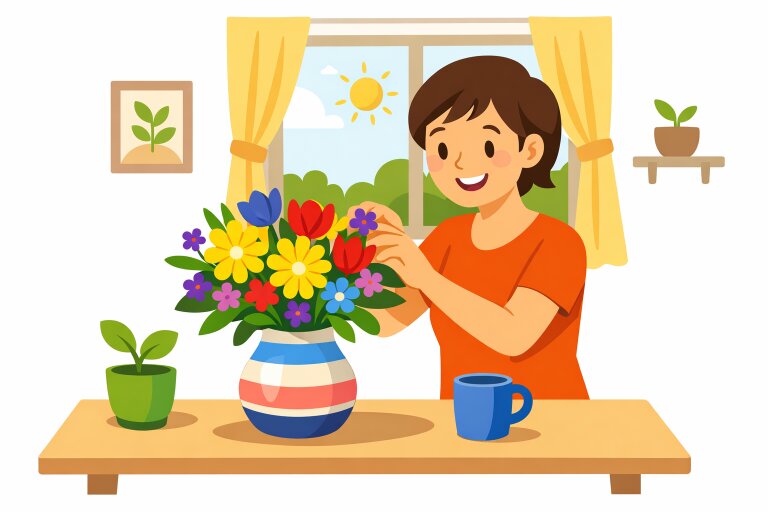
Adopting flowers as an everyday wellness tool does not require elaborate arrangements or large bouquets. Small steps can make a major difference. Consider displaying fresh blooms on kitchen tables, in living rooms, or at your workstation to provide continual mood support. Bringing flowers into the office or adding a single statement flower to your desk can reduce fatigue, foster calmness, and improve focus. Gifting flowers regularly to friends and loved ones cultivates emotional connections and strengthens bonds, bringing joy to both the giver and the recipient. Gardening, meanwhile, offers dual benefits of gentle exercise and emotional satisfaction as you nurture living things through the seasons. The simple daily presence of flowers can signal self-care, celebration, and renewal.
- Home Decor: Place seasonal arrangements in central gathering areas to lift spirits and refresh your space.
- Workspaces: Use a small vase on your desk to help manage stress and add a touch of beauty during work hours.
- Gifting: Share flowers during milestones and meaningful moments to express care and appreciation.
- Gardening: Plant and tend flowers as an easy, low-cost therapeutic activity.
Conclusion
With abundant evidence supporting their positive effects, flowers represent a simple yet powerful means to enhance daily life. Beyond their undeniable beauty, they lower stress, uplift moods, spark creativity, and create environments that foster healing and happiness. By purposefully integrating flowers into your spaces and routines, you invite joy, comfort, and wellness into each day. Let flowers be more than decoration; let them become a reliable ally in your pursuit of health, happiness, and meaning.

