
When it comes to caring for your roof, myths and misconceptions can easily result in unnecessary expenses or even structural damage. Many homeowners are unaware of the long-term implications of some common misconceptions about roofs, repairs, and contractors. Whether you own a newly constructed home or an older property needing routine attention, understanding what’s fact and what’s fiction can spare you costly headaches later on. For commercial property owners, professional expertise from local specialists, such as commercial flat roofing contractors St Louis County, MO, is invaluable for ensuring roofing investments last as long as possible.
Homeowners must rely on accurate, up-to-date information to protect their investment. Every roof, regardless of its age or material, requires attention, and selecting the right contractor has a significant impact on both longevity and safety. Many myths have emerged over time, making it more challenging for property owners to make informed decisions when faced with roof repairs, replacements, or maintenance schedules.
Wrong assumptions—such as thinking that all contractors provide the same service or that warranties are catch-all solutions for every roof problem—can be problematic. To help clarify, this article unpacks some of the most common myths, offering practical and research-backed advice for every property owner.
Knowing what to look for and what to avoid empowers you to take proactive steps, safeguard your home or business, and work confidently with trusted roofing professionals in your area.
Myth 1: A New Roof Doesn’t Require Maintenance
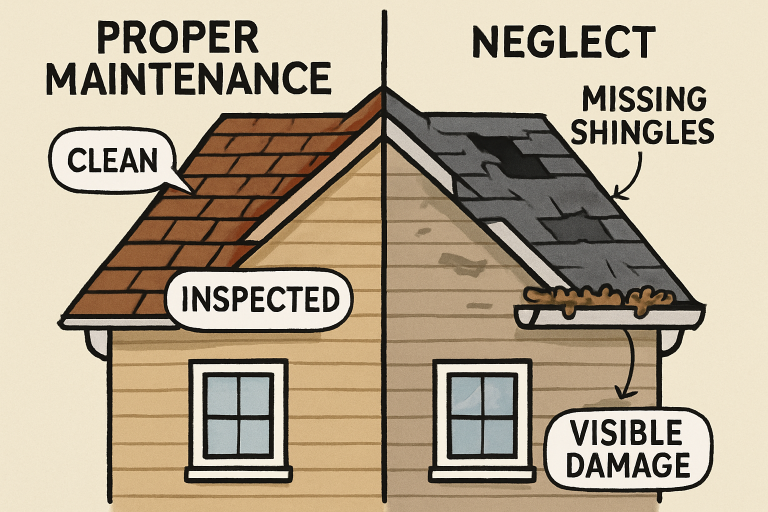
It’s easy to assume a brand-new roof will be maintenance-free for years, but even the most expertly installed roofing will face wear and tear from the elements. Seasonal storms, fluctuating temperatures, and debris accumulations can create vulnerabilities in flashing, seams, and drainage points. Regular inspections, at least annually, let you catch minor issues early, such as loosened shingles or blocked vent openings, before they develop into costly repairs. Property owners who neglect early maintenance can expect their roof’s expected lifespan to diminish significantly. According to Consumer Reports, catching roof problems early is one of the best cost-saving strategies for homeowners.
Myth 2: All Roofing Contractors Are the Same
Roofing is highly specialized work, and not every contractor brings the same level of skill or customer service to the job site. Differences in licensing, insurance, ongoing training, and use of quality materials can mean the difference between a roof that fails in just a few years versus one that exceeds its warranty. It is crucial to request references, check reviews, and ask about certifications and warranties before signing a contract. Beware of door-to-door offers or bids that seem unusually low, as they might indicate substandard materials or lackluster artistry. The Better Homes & Gardens guide to hiring contractors can provide more insight into what to look for in top-tier roofers.
Myth 3: DIY Roof Repairs Are Just as Effective as Professional Work
With the abundance of online how-to guides, some homeowners feel confident enough to fix leaks or replace shingles themselves. While this might seem cost-effective, roofing is inherently risky and requires specific skills and tools to handle various materials and safety issues. Improper repairs usually void warranties and can introduce new leaks, ventilation issues, or even structural hazards. A professional contractor not only solves visible problems, but also inspects for hidden damage that DIY repairs often miss. This proactive approach helps prevent costly and hazardous situations in the future. For serious repairs, always consult with a licensed roofing contractor.
Myth 4: A Roof Warranty Covers All Repairs
Many property owners mistakenly assume that their roofing warranty will cover any damage or defect, only to discover otherwise after filing a claim. Most warranties are limited to manufacturer defects—not wear from storms, improper maintenance, or installation errors made by third parties. It’s essential to thoroughly read your warranty details, remaining diligent with regular, documented inspections, and prompt repairs. This documentation is often a requirement for warranty claims to be honored and can serve as crucial evidence in the event of damage disputes.
Myth 5: Roofs Only Need Attention When There’s a Leak
Waiting for leaks to appear before taking action can be one of the most expensive mistakes a homeowner makes. Water intrusion isn’t always immediately visible and can cause rot, mold, and even undermine interior walls before it becomes apparent. Visible warning signs often include cracked, curling, or missing shingles, sagging sections, or granule loss from asphalt shingles. Scheduling seasonal check-ups or inspections after significant weather events can reveal and remedy issues before potential leaks occur, thereby avoiding far more extensive interior repairs. Family Handyman highlights why preemptive maintenance always pays off in the long run.
Myth 6: Adding a New Layer of Shingles Is Just as Good as a Full Roof Replacement
Instead of investing in a complete tear-off and replacement, some choose to install new shingles over their existing roof. While this approach may save money upfront, it risks hiding critical underlying problems, such as rot, mold, or structural compromise. Double-layered roofing adds unnecessary weight and can strain the rafters, ultimately reducing the lifespan of your roof. It also voids most manufacturer warranties and can raise red flags during home sales. Complete replacement may seem more expensive initially, but it ensures a fresh, damage-free roof deck and optimal long-term performance.
Myth 7: Dark-Colored Roofs Always Cause Higher Energy Bills
Darker roofing materials can indeed absorb more heat on sunny days; however, modern roofing technology has altered the equation. Many dark shingles are now engineered with reflective properties that bounce solar energy away from the home. Proper attic insulation and strategic ventilation play a more significant role in keeping your house cool and efficient than color choice alone. Look for ENERGY STAR-rated roofing materials or consult with your contractor about the latest advancements in reflective technology to keep energy bills in check.
Myth 8: Gutters Have Nothing to Do With the Roof
Gutters are integral to the health of your entire roofing system. When gutters become clogged or sag, water has nowhere to go and can back up onto the roof, leading to rot at the eaves, mold growth, or even foundation issues. Maintaining a regular habit of cleaning gutters and downspouts ensures that rainwater is directed away from your house, thereby preserving both the roof and the surrounding structure. Proper gutter maintenance is a vital but straightforward way to extend your roof’s service life and prevent expensive water-related issues.
Dispelling these persistent myths not only protects your investment but also equips you to work more effectively with local roofing professionals. By separating fact from fiction, you can plan repairs, replacements, and preventative maintenance with confidence, ensuring your home or business remains safe and dry for years to come.

