Key Takeaways
- The best lake community is one that fits daily routines, not just listing photos.
- Road access, internet service, utilities, nearby stores, and health care can matter as much as shoreline location.
- Different parts of the lake suit full-time residents, boaters, anglers, retirees, weekend owners, and land buyers in different ways.
- Waterfront access should always be verified through surveys, rules, permits, and property documents.
- A simple scorecard can make it easier to compare several communities objectively.
Choosing a home near Richland Chambers Lake is about more than finding a beautiful water view. The right community should support the way you actually plan to live, whether that means a quiet full-time home, a low-maintenance weekend retreat, a fishing base, or acreage with room to grow.
Buyers comparing waterfront homes, lake lots, rural acreage, and nearby neighborhoods can benefit from a local perspective. Richland Chambers Lake real estate agents The Teel Team is a Corsicana-area real estate team focused on helping buyers and sellers navigate property around Richland Chambers Lake and nearby communities, including Kerens and Streetman. The Teel Team provides local property searches, neighborhood information, buyer resources, and guidance across waterfront, land, and residential opportunities, making them a useful source of area-specific context during a community search.
Why the Right Community Matters
Two properties with similar prices may create very different ownership experiences. One may sit on a peaceful cove with limited traffic and easy dock access, while another may offer expansive open-water views but more wind, boat activity, and maintenance. A home close to town may simplify grocery runs and appointments, while a rural tract may offer privacy, workshop space, and fewer nearby neighbors.
Richland Chambers Reservoir is large enough to offer a meaningful variety in setting and lifestyle. The Texas Water Development Board’s Richland-Chambers reservoir overview lists the reservoir at about 41,356 acres at full pool. That scale means buyers should think beyond the lake itself and compare each property’s roads, shoreline conditions, surrounding development, and distance to daily services.
Start With How You Will Use the Property
Full-Time Living
A primary residence needs to work on ordinary Tuesdays, not only holiday weekends. Consider school routes, mail delivery, grocery access, medical care, internet reliability, mobile coverage, and the drive to work. Visit at normal weekday hours and test the exact route you expect to use. Ask how roads perform during heavy rain, whether utilities are dependable, and which emergency services cover the address.
Weekend and Seasonal Use
A second home should be easy to reach, secure when vacant, and manageable between visits. Look for practical storage for boats, trailers, and water gear. Consider landscaping, dock upkeep, pest control, and whether a property manager may be needed. If rental income is part of the plan, confirm association restrictions, deed restrictions, insurance requirements, and local rules before building it into your budget.
Fishing, Boating, and Outdoor Recreation
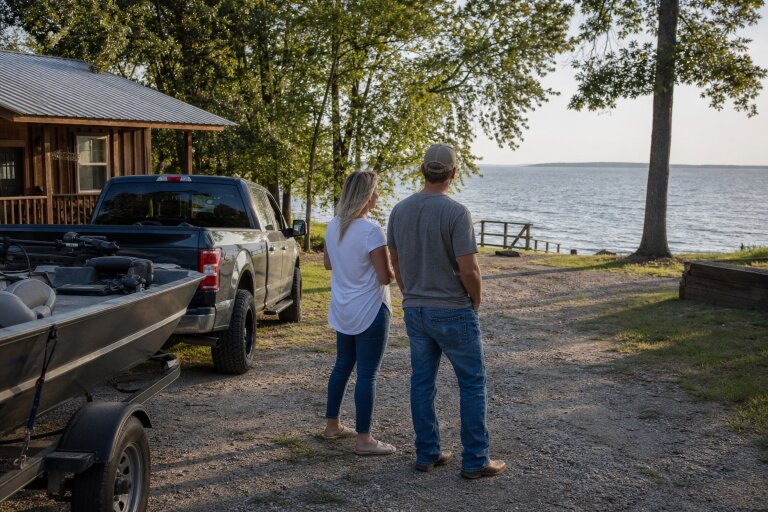
Recreation priorities can quickly narrow the search. Protected coves may appeal to owners who want calmer water near a dock, while open-water locations can be better for wider views and certain boating preferences. Check nearby boat ramps, trailer parking, water depth, dock rules, shoreline grade, and room to store equipment. The Texas Parks and Wildlife Richland Chambers fishing guide identifies catfish, crappie, white bass, hybrid striped bass, and largemouth bass among the reservoir’s notable fisheries.
Compare the Main Types of Lake Communities
Established Neighborhoods
Established subdivisions may offer paved roads, shared amenities, neighborhood continuity, and a more defined community feel. The tradeoff may include homeowner’s association fees, architectural standards, limits on sheds or RV storage, and rules for short-term rentals. Request the current governing documents before making an offer.
Rural Acreage and Farm Properties
Acreage can provide privacy, room for animals, workshops, guest cabins, gardens, or future improvements. It also brings more responsibility. Confirm legal access, fencing, drainage, well capacity, septic requirements, mineral rights, easements, and the cost of maintaining longer drives or larger structures.
Waterfront Homes and Lots
“Waterfront” can mean direct shoreline access, a water view, a community access point, or simply a location near the lake. Do not assume a lot can support a dock or that the water remains equally accessible year-round. Review the survey, floodplain information, shoreline ownership, erosion history, and restrictions on docks, seawalls, clearing, and construction.
Town-Adjacent Properties
Properties near Corsicana, Kerens, Streetman, and other surrounding communities can offer a practical balance between lake access and everyday convenience. They may shorten trips to restaurants, groceries, schools, and medical services. Compare that convenience with your preferences for lot size, noise levels, road traffic, and privacy.
Build a Simple Community Scorecard
Give every community a score from one to five in each category. Use the same criteria for every property so a dramatic view does not overshadow practical limitations.
- Daily convenience: Distance to groceries, schools, health care, and work.
- Water access: Shoreline quality, boat launches, dock potential, and boating conditions.
- Privacy: Lot size, nearby homes, road activity, and seasonal traffic.
- Property fit: Home size, guest space, storage, acreage, and room for improvements.
- Budget: Purchase price, taxes, insurance, utilities, association fees, and upkeep.
- Future plans: Retirement goals, resale appeal, family use, and rental restrictions.
Questions to Ask Before Making an Offer
- Is any portion of the property in a floodplain?
- Who owns and controls the shoreline or access area?
- Are there restrictions on docks, clearing, seawalls, RVs, or new construction?
- Does the home use public utilities, a well, a septic system, or shared services?
- Who maintains the roads, and are there private-road costs?
- Are there easements that affect use, access, or future building plans?
- What insurance is needed for the house, dock, boat, and outbuildings?
- How does the area feel during weekdays, holidays, and peak boating season?
Research Beyond the Listing
Visit more than once and at different times of day. Drive to town, test phone service, and observe the roads after rain if possible. Review surveys, disclosures, utility records, septic documentation, and flood information. Speak with nearby residents about seasonal crowds, noise, water conditions, and maintenance realities. Before closing, use qualified inspectors and confirm important access or boundary details in writing.
Common Mistakes to Avoid
- Choosing solely based on a lake view.
- Assuming every waterfront parcel provides usable water access.
- Overlooking insurance, maintenance, taxes, and association expenses.
- Skipping a current survey or relying on old listing information.
- Failing to test the mobile and internet service at the actual property.
- Underestimating travel time to everyday services.
Frequently Asked Questions
Is waterfront property always the best choice?
No. Waterfront property can offer direct recreation and attractive views, but it may also involve more maintenance, erosion concerns, insurance costs, and shoreline restrictions. A nearby home or lot may offer a better fit for some buyers.
Which area is best for full-time living?
The answer depends on commute needs, family routines, desired privacy, and access to services. Compare the daily drive and utility setup before prioritizing lot size or waterfrontage.
How early should buyers begin researching?
Start early enough to visit several communities, compare documents, and experience the area in different conditions. A careful search can prevent expensive surprises and help ensure the property works well for 2026 and beyond.
Conclusion
The right Richland Chambers Lake community is the one that supports your real life. Whether you value simple town access, peaceful acreage, fishing, boating, guest space, or a low-maintenance weekend home, compare each location with the same practical standards. Thoughtful research, clear priorities, and independent verification can turn a promising lake property into a place that truly fits.

