Table of Contents
- Flexibility as a Strategic Imperative
- Integration of Advanced Technologies
- Emphasis on Wellness and Sustainability
- Rise of Niche and Hyper-Local Spaces
- Corporate Adoption of Coworking Models
- Conclusion
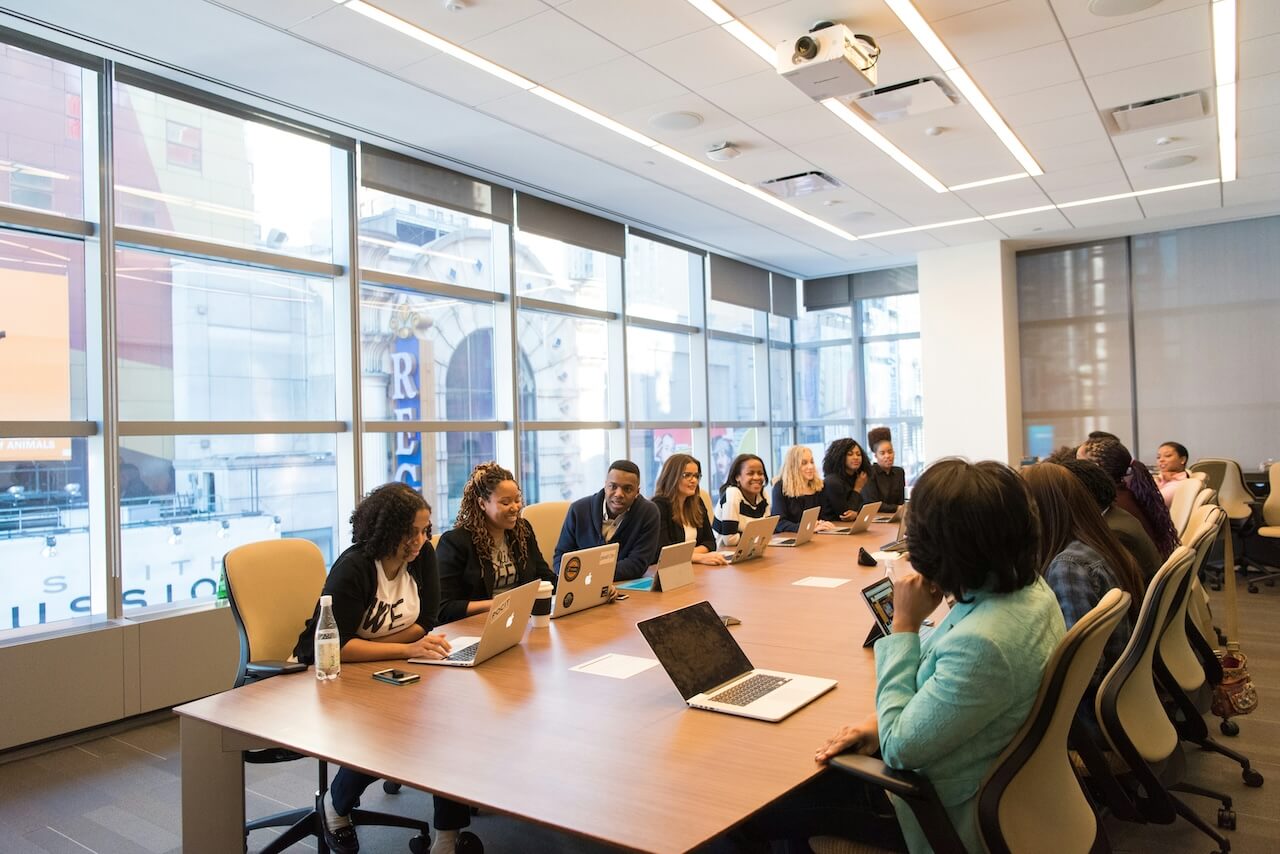
As the professional world continues to evolve, shared workspaces are leading a fundamental shift in how we define and utilize office environments. Innovative coworking spaces are no longer just about offering desks and internet connections. They now prioritize collaboration, flexibility, and creative problem-solving above all else. Increasingly, businesses and freelancers turn to flexible setups for their cost-effectiveness and adaptability. Many organizations benefit from easy access to meeting room rental MA and other on-demand resources, optimizing their daily operations without the long-term commitment.
These changes have reshaped expectations for the workspace across industries. Shared workspaces address evolving demands, balancing technology integration with well-being and sustainability initiatives. Professional communities now seek environments that are not only versatile but also tailored for industry-specific needs. The advantages of shared workspaces extend to individuals and corporations alike, making them a preferred choice as work cultures move toward more dynamic and agile models.
Flexibility as a Strategic Imperative
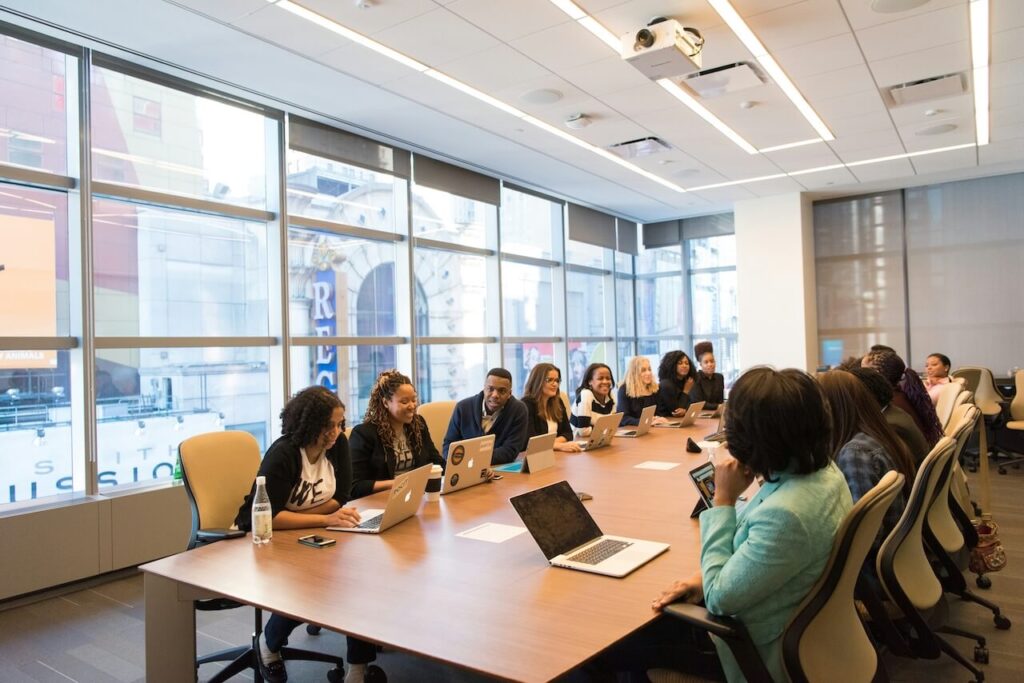
In today’s changing business landscape, flexibility is not optional. Companies now demand scalable workspace solutions that fit shifting team requirements and hybrid workforces. Shared workspaces allow organizations to grow or adapt without the burden of fixed, long-term leases. Shorter contracts and pay-as-you-go amenities support productivity for both startups and established enterprises. With hybrid work on the rise, workspace design flexibility is expected to accelerate, accommodating remote, in-house, and rotating employee models.
This focus on adaptability also helps organizations match their office space to the ebbs and flows of project demands. Coworking spaces can effortlessly scale up with dedicated project rooms or scale down as teams complete assignments, supporting a business’s agility amid market uncertainties. Not only does this minimize wasted overhead, but it also frees up resources that would otherwise be tied up in lengthy lease agreements and associated maintenance costs. As a result, smaller firms are empowered to compete more effectively with larger, better-resourced competitors, leveling the playing field in today’s competitive market.
Integration of Advanced Technologies
The shared workspace industry is adopting digital innovations, including automated check-ins, intelligent climate control, and seamless connectivity, that enhance both the user experience and security. Some spaces now utilize artificial intelligence to better manage energy consumption and tailor environments. Virtual and augmented reality technologies facilitate remote collaboration and training. Digital booking and management platforms are integrated via cloud systems, enabling members to reserve desks and access services using smartphones or laptops. As IoT devices become more prevalent, automation of lighting, energy, and security systems is expected to boost efficiency and comfort, offering a customized workspace experience that addresses individual and team requirements.
Emphasis on Wellness and Sustainability
Modern professionals expect coworking spaces to prioritize well-being and sustainability by offering features such as natural light, ergonomic furniture, and wellness programs. Common amenities include initiatives that encourage walking, healthy eating, and mindfulness, while operators adopt energy-efficient systems, waste management policies, and green certifications. As environmental consciousness increases, the demand for eco-friendly solutions grows, making sustainable design essential. Workspaces equipped with sit-stand desks, daylight-focused layouts, indoor plants, and fresh air enhance productivity and employee satisfaction, reflecting a progressive culture. Additionally, water-saving technologies, responsible sourcing, and eco-friendly materials help reduce carbon footprints, benefiting the environment and boosting the space’s reputation.
Rise of Niche and Hyper-Local Spaces
The development of coworking spaces has created specialized environments for professionals across various fields, including tech entrepreneurs, creative agencies, therapists, and culinary experts. Smaller, community-oriented workspaces are appearing in suburban areas, providing residents with closer alternatives and helping to reduce commute times. This movement encourages the growth of local hubs that foster networking and collaboration within the community.
These niche spaces promote a sense of community, making professionals feel more connected and motivated. They often offer customized programs, such as workshops and mentorship opportunities, as well as access to unique equipment that standard offices often lack. Hyper-local coworking models are transforming vacant retail and industrial sites into active coworking zones, revitalizing neighborhoods and supporting local economies. Ultimately, coworking now offers a variety of options to meet different professional needs.
Corporate Adoption of Coworking Models
Major corporations are transitioning from traditional real estate to coworking spaces. Companies like Amazon and JPMorgan utilize shared offices to enhance creativity, support satellite teams, and expand with less capital investment. Coworking providers now supply premium, secure, and customizable options suitable for large organizations. This trend affects smaller businesses inspired by the scalable and innovative methods of industry leaders. Coworking environments facilitate confidential meetings and collaborative zones that are adaptable to various workflows. With the rise of remote and hybrid work models, the demand for coworking passes and long-term arrangements is increasing, indicating a lasting change in how office space is viewed.
Conclusion
The shared workspace landscape is quickly transforming, emphasizing flexibility, technology, wellness, sustainability, and specialization. Businesses of all sizes will seek adaptable, tech-driven, and people-focused environments. As demands change, these spaces will redefine productivity, collaboration, and satisfaction. The future depends on dynamic and forward-thinking spaces. Leading coworking providers will offer innovative, inclusive, and eco-friendly solutions. As diverse needs grow and obstacles diminish, shared workspaces will expand, boosting economies and empowering professionals. Embracing these trends will help organizations thrive in a fast-evolving, connected business environment.